

ЦЕРБ ГРУП участва в международната конференция EASA 2026 в Рим
October 12, 2026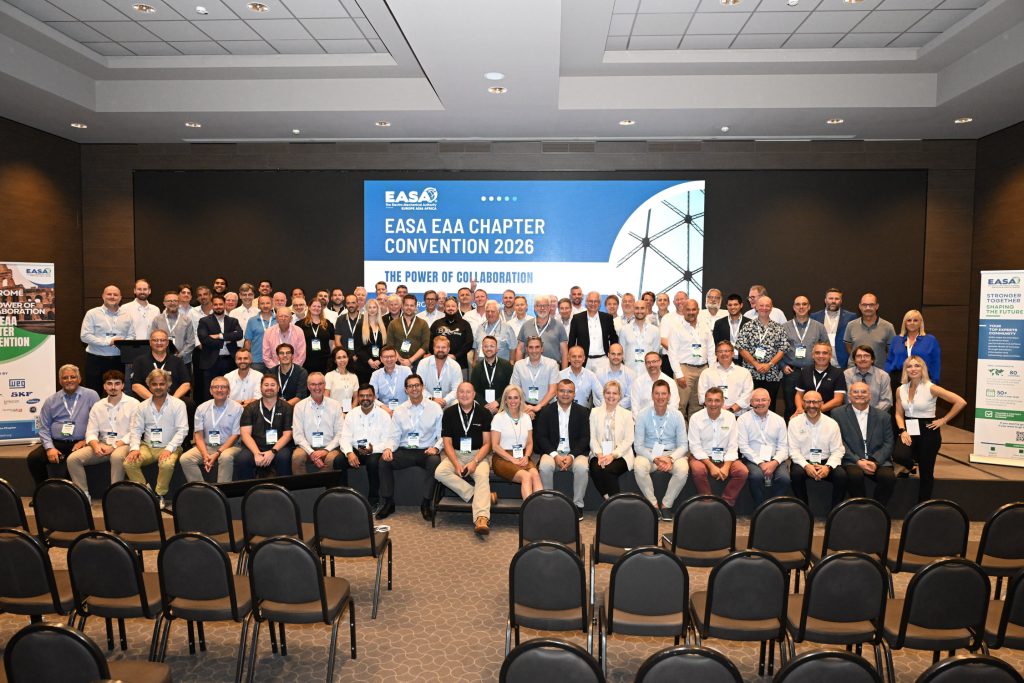
The EASA EAA Chapter Convention 2026 took place from October 1 to 3 in Rome, with representatives of CERB GROUP once again participating in this year’s edition: Dimitar Beleliev, PhD, Chairman of the Board of Directors of CERB EAD, Eng. Krasimir Kolev, Head of CERB VEM, and Eng. Vladimir Stiptsov, Chief Designer of CERB VEM.
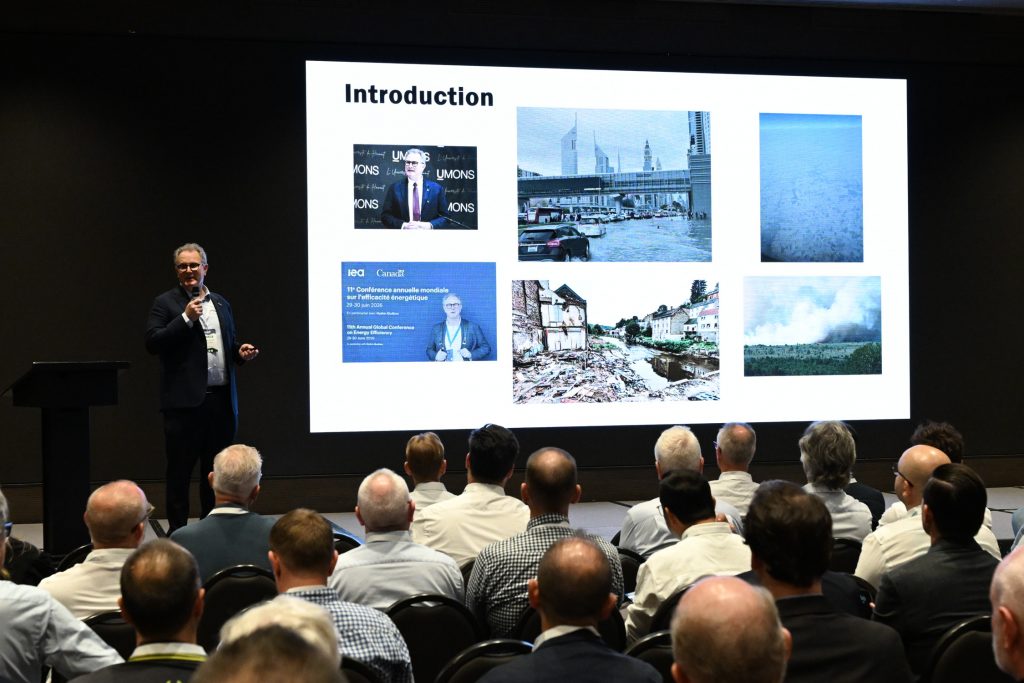
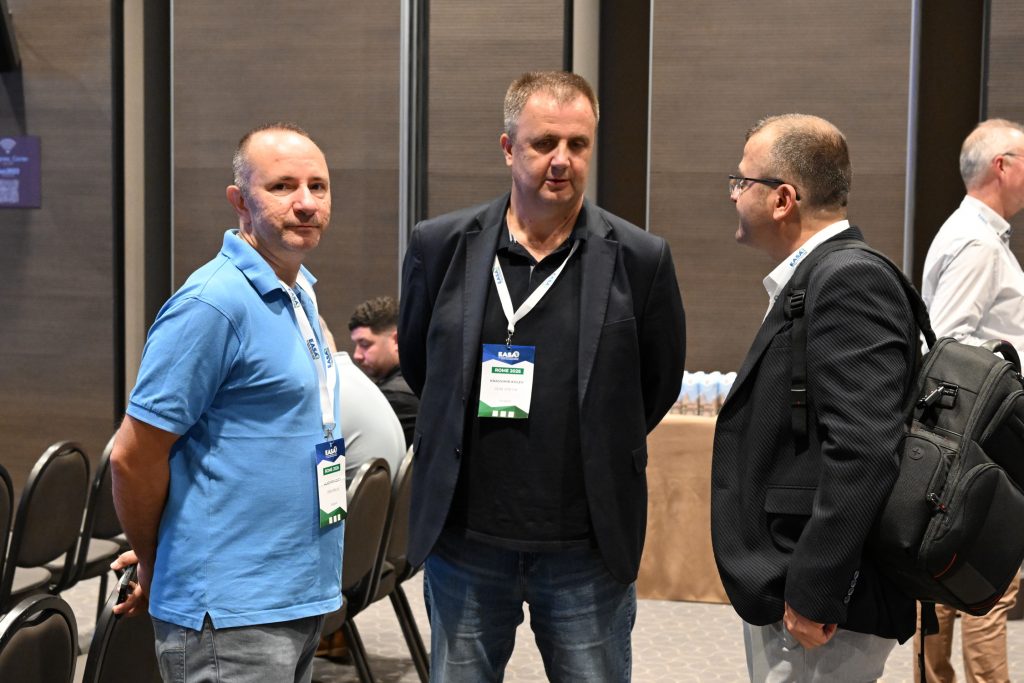
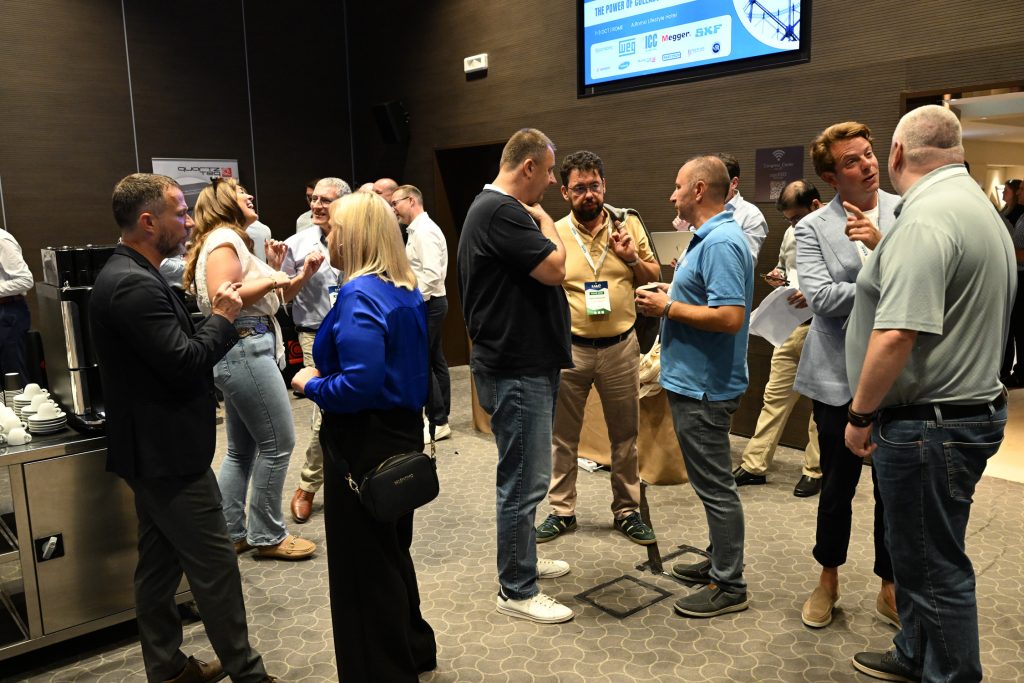
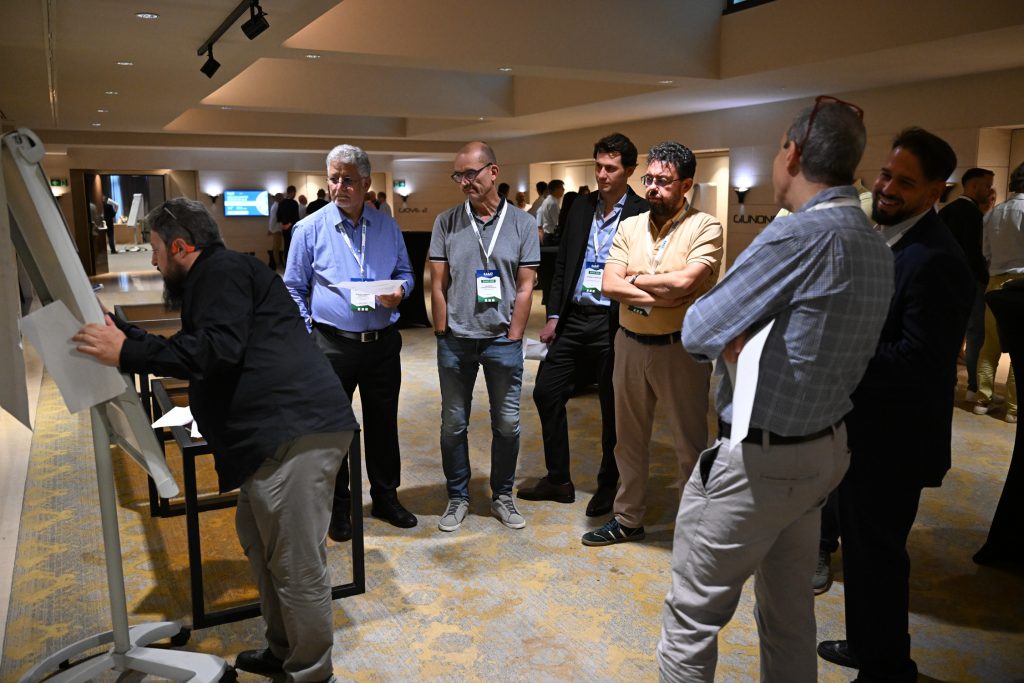
The conference was organized by the European-Asian-African division of the Electrical Apparatus Service Association (EASA), which brings together electric motor repair and maintenance enterprises, equipment manufacturers, and suppliers. The meeting was held under the motto “The Power of Collaboration”.
One of the highlighted topics was how the expectations of industrial clients are changing. The conference presented the results of an EASA survey showing that 47% of respondents in Europe, the Middle East, Africa, and Asia are repairing more electric motors compared to two years ago. Price does not always dictate the choice of contractor. Only 11% of participants in the regional sample indicated it as a leading criterion when choosing an electric motor supplier, whereas for 40% the most critical factor is the ability to identify and solve a specific technical problem.
Behind these figures lies a major challenge for repair facilities: the speed of machinery restoration and the guarantee against recurrent failures.
In Rome, concrete examples were presented illustrating why the answer is complex. Kirk Balian from QAZ International discussed the emergency repair of a 26 MW, 13.8 kV Brush generator at a mining site in Saudi Arabia. The failure of a bolted connection in the rotor led to severe damage, and restoration required nine days of continuous operation.
More interestingly, subsequent investigations revealed that when an unaffected bolt was tested, failure occurred at a load approximately 55% below the minimum requirement of ISO 898-1. Various potential causes of the failure were examined on-site, including hydrogen embrittlement and stress corrosion cracking.
“When repairing large electrical machines, there are rarely two identical cases. Even when a fault appears familiar, the root cause can turn out to be entirely different. This is why meetings where colleagues from other countries showcase specific repairs, measurements, and challenges they have encountered are so valuable to us. Particularly interesting were the cases involving the emergency restoration of the generator in Saudi Arabia and the development of stator insulation defects. These are challenges we face daily at CERB VEM as well,” commented Eng. Krasimir Kolev.
Quartzelec presented a case of vibrational spark erosion. In an 11 kV motor, measured partial discharges increased from 1,600 to 3,300 pC, followed by a failure affecting the stator winding and the magnetic core. In another generator, critical performance deterioration developed in just five days. Wojciech Betlej demonstrated how such defects occur and what insights can be gained from partial discharge and ozone concentration measurements.
The conference extended beyond repair technology itself, addressing the practical issue of technical documentation generated afterward. European Digital Product Passports will progressively impose new requirements on equipment traceability. Andrew Maat from Noctua discussed how repair history, replaced components, and test results can be stored as part of a machine’s digital dossier. He also touched upon the European Cyber Resilience Act, which is significant when servicing equipment with digital connectivity.
Service companies themselves are also facing changes. A survey among 70 industry representatives indicates that 72% expect an increase in workload over the next three years. At the same time, 48% point to a shortage of adequately trained technicians as a primary obstacle.
Staffing difficulties extend beyond hiring new personnel. Tracey Quinn from ICC International presented a case from her own company, which is facing the upcoming retirement of several long-standing specialists. Passing down engineering expertise and know-how accumulated over decades requires more than leaving behind drawings and manuals. The approach she presented involves documenting non-standard solutions, collaborating with younger engineers, and gradually transferring responsibilities.
For the three representatives of CERB GROUP, the conference in Rome comprised technical sessions, practical case studies, and discussions on issues directly impacting the operations of repair enterprises. Participating companies included Quartzelec, ICC International, WEG, QAZ International, and other prominent representatives of the international industry.