

Пробив по екотаксите, задънена улица при търговете: какво иска електроиндустрията
April 23, 2026
Догодина батериите ще върнат цената на тока до нивата преди войната в Украйна
April 23, 2026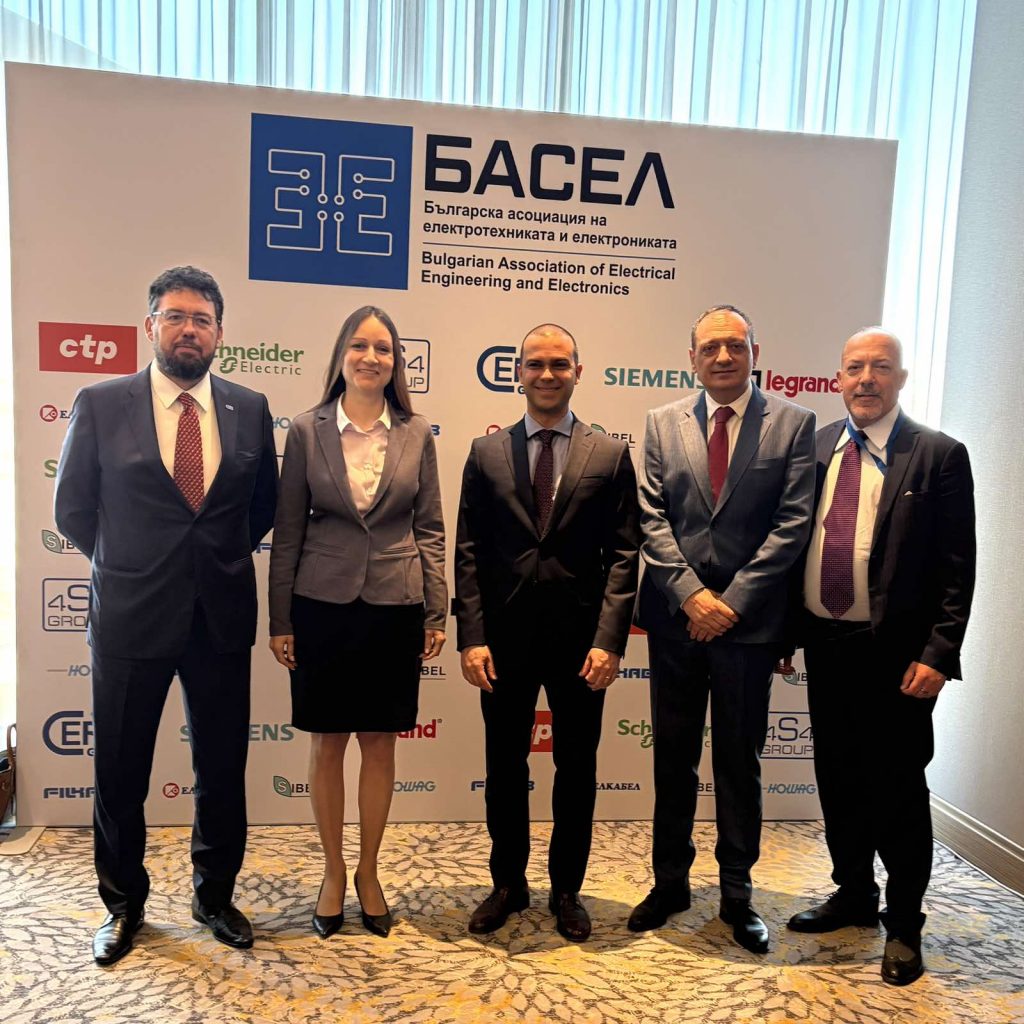
The caretaker government has achieved a breakthrough in reducing product eco-fees. However, a control mechanism is still lacking, and we urge all companies to begin paying them. Work also remains on another issue – the loss of over 60% of public procurement contracts to companies outside the EU. This was stated by the Bulgarian Association of Electrical Engineering and Electronics (BASEL) at the “Electrical Industry 2026” forum, which is being held today in Sofia.
Historic reduction in eco-fees, but all companies without exception must pay them
On April 20, 2026, the Ministry of Environment and Water published a draft amendment to the regulation on product fees, which provides for a reduction of about 70–90% compared to current levels. Fees are being reduced by approximately 70% for refrigerators and air conditioners, 75% for screens, nearly 85% for solar panels and large appliances, over 90% for small appliances, and about 79% for IT equipment.
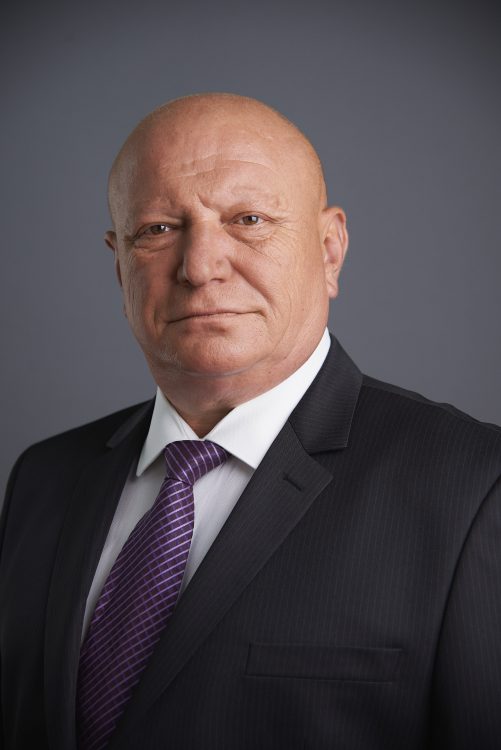
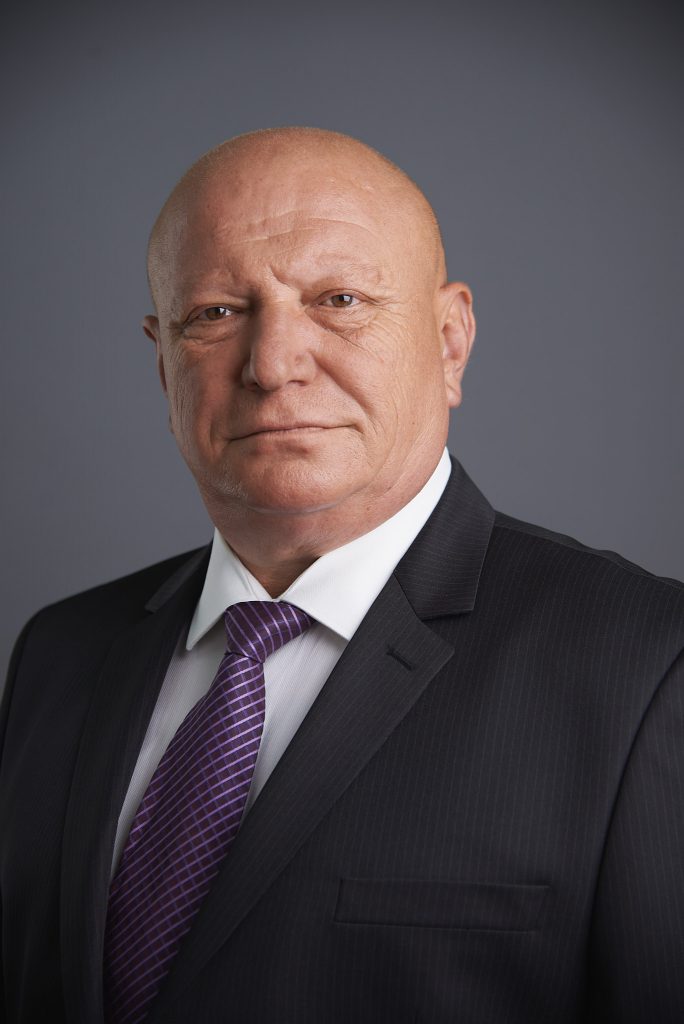
“This caretaker government has managed the state for the shortest time, but it has been the most useful of all so far for the electrical industry,” stated Dimitar Beleliev, PhD, Chairman of BASEL. “The problem is that, in practice, eco-fees are paid only by the visible ones — the large chains, the importers, the companies operating ‘in the white’. For the rest, there is no real control. In Romania, the fee appears as a separate line in every cash receipt — traceable and mandatory. In Bulgaria, such transparency is lacking, and the control functions are assigned to the Ministry of Environment, which lacks the capacity for mass inspections. Therefore, BASEL appeals — especially after the reduction of fees — for all companies, without exception, to start paying them.”
Over 60% of electrical engineering tenders are won by companies outside the EU
Over 60% of public procurement in electrical engineering in Bulgaria continues to be won by companies from outside the European Union — mainly from China, India, and Turkey, whose manufacturers benefit from state subsidies.
“European money should go to European companies,” Beleliev was categorical. BASEL has been insisting for at least two years for a mandatory requirement that bids with over 51% European production be given priority in the evaluation of public procurement in strategic sectors such as energy and transport. “There has been such a practice in Bulgaria. It simply needs to be returned,” the chairman of the association added. BASEL proposes the introduction of “security of supply”, a requirement for local service presence, and a check for foreign subsidies in tenders.
“We hope that whoever succeeds the caretaker cabinet will pay attention to this problem as well — just as happened with the product fees — so that European and Bulgarian companies are not in an unequal position, and there are more new jobs in Bulgaria,” appealed Beleliev.
“Electrical Industry 2026” is organized by BASEL and the Executive Agency for the Promotion of Small and medium-sized enterprises. At the forum, the Minister of Economy Irina Shtonova emphasized that the electrical industry has a huge contribution to the development of the Bulgarian economy: in 2025, the export of electrical machinery exceeded 2 billion euros, the sector provides employment for 10,000 specialists, and maintains labor productivity above the national average.