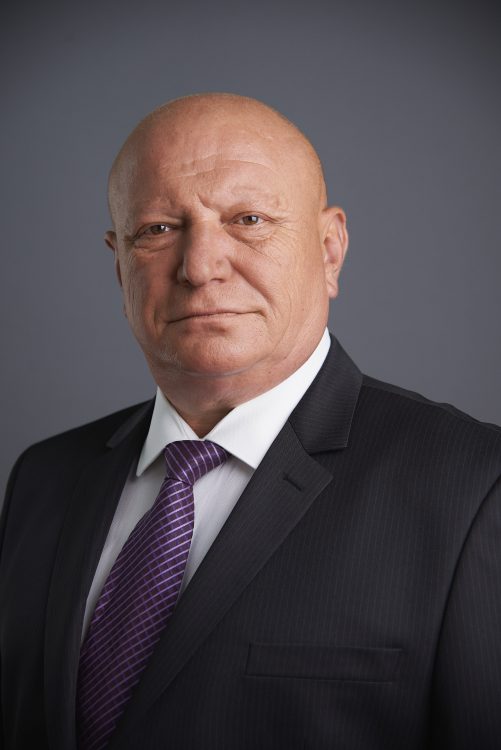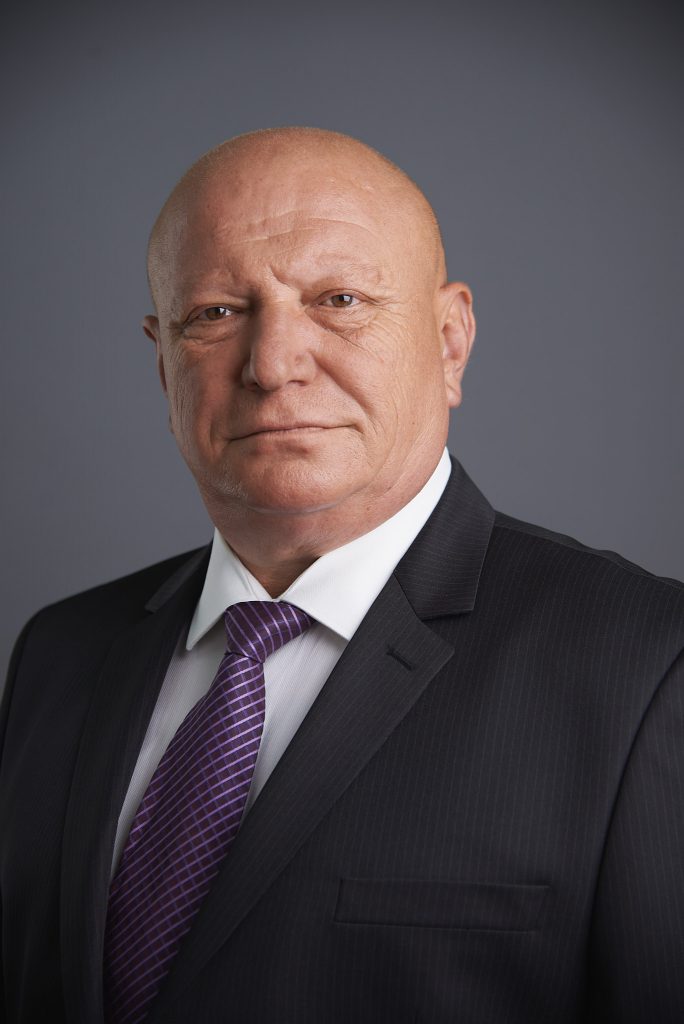


Ambassador of India and CERB Board Members Explore Strategic Cooperation in the Energy Industry
March 31, 2026
CERB Electro-Construction: Delivering End-to-End Engineering Excellence in the Energy Sector
April 1, 2026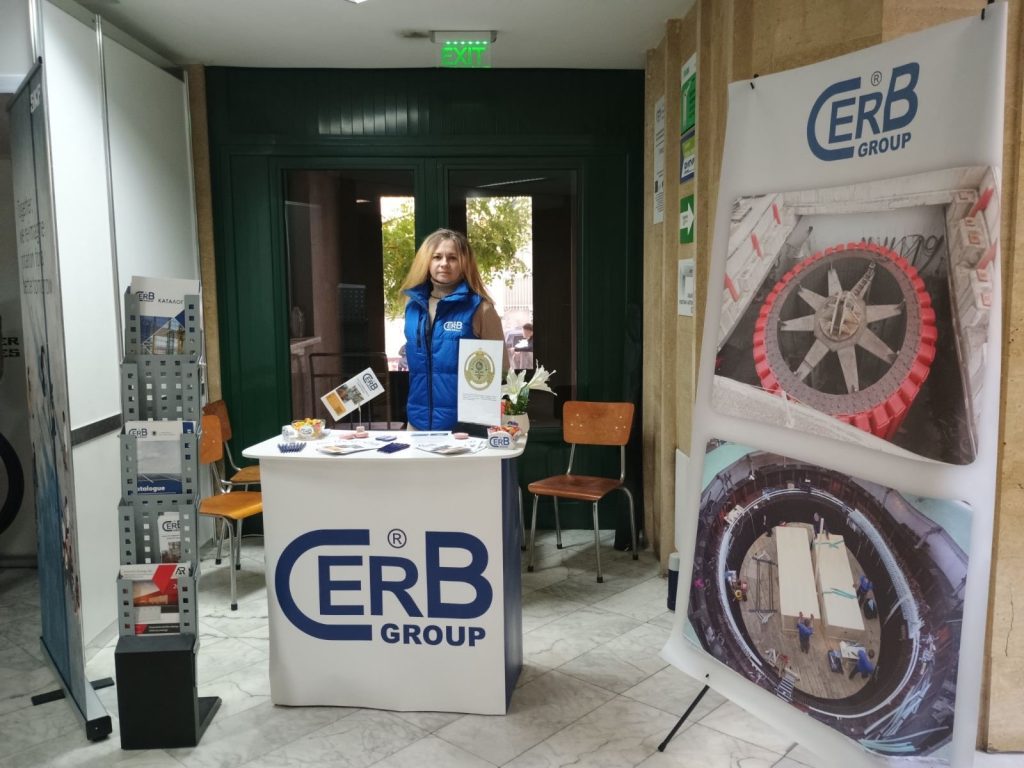
What lies behind the concept of a “full engineering and technical cycle” that CERB Electro-Construction provides to its clients?
Our work covers the entire process—from the initial feasibility study for a site’s power supply, through design and regulatory approvals, to securing building permits, constructing the necessary grid connection facilities, and final commissioning. We specialize in the design and construction of external power supply systems up to 35 kV.
In practice, we provide a complete turnkey solution for connecting new industrial, commercial, or residential sites to the power grid. In many cases, we also take over the subsequent maintenance of the facilities to guarantee their reliable and long-term operation.
How has the work in your sector evolved in recent years?
The sector has changed significantly, primarily due to frequent changes in legislation. Requirements are becoming stricter, and administrative procedures are increasingly complex and time-consuming. At the same time, we often face low engagement from the institutions and utilities involved in the approval process. This leads to bottlenecks and the loss of valuable time during project realization.
Which projects are you most proud of?
One of our most significant challenges was a project realized about 7-8 years ago in the Dragoman region. It involved powering a production facility for a German rubber products manufacturer. To provide the required capacity, we had to upgrade an existing transformer station and build a new power line branch. The terrain was particularly difficult—highly rugged and steep—which demanded precise engineering and careful execution. We successfully modernized the substation and have been maintaining it ever since. The fact that it has operated flawlessly for years is the best proof of our quality.
What is the biggest challenge when building or modernizing electrical facilities?
Without a doubt, it is the administrative burden. It often happens that the technical part of a project is completed on time, but the process is stalled by bureaucracy. For example, for a residential and office building in Sofia, we submitted the full documentation over a year ago. Since then, the municipality has yet to grant the construction rights for the transformer station and cable route. Because of this delay, all approvals will now have to be renewed. Meanwhile, the building is nearly finished, and 100 families are waiting for their homes, but they cannot move in until the power supply is secured.
What new technologies are entering your workflow?
A major trend is driven by EU regulations to reduce energy losses in transformers up to 3 MVA. We are now implementing high-efficiency transformers with reduced losses. Another shift is in medium-voltage switchgear (up to 35 kV). Traditional solutions using sulfur hexafluoride (SF₆) are gradually being replaced by air-insulated technologies. This “green” alternative minimizes environmental impact and is becoming the new industry standard.
What sets you apart from other companies on the market?
The most vital difference is that we offer a “one-stop-shop” solution: from initial research and design to permitting, construction, commissioning, and long-term maintenance. Few companies provide this entire scope. Taking full responsibility for the project from start to finish is what truly distinguishes us.
How do you see the development of the Bulgarian power sector in the coming years?
The key direction must be the construction of new base-load capacities, such as the next units of the Kozloduy NPP. We have seen a massive boom in solar parks, but they are intermittent. When clouds cover the sun, power generation drops instantly, and the system must compensate immediately to maintain balance. Without stable base-load sources, the grid faces serious risks. Stability and predictability are essential for the national energy system.
What advice would you give to companies looking for a reliable partner?
Look for partners with a proven track record. Often, clients come to us with ideas that are technically flawed. Our role is not just to execute, but to consult—to explain why a certain solution is suboptimal and to propose a safer, more sustainable approach. A partner should be an expert who thinks about long-term safety and efficiency, not just someone who says “yes” to every request regardless of the technical risks.
What are the next goals for CERB Electro-Construction?
Our main goal is to maintain the professionalism and trust we have built over the years. We are currently working on 15 active sites. One of the most interesting is a 2 MW data center in Sofia. We are designing an integrated transformer station within the building itself, featuring a 2500 kVA transformer. In the data center industry, power continuity is everything. Since redundant external supply is rare and costly, we are ensuring 100% uptime through local backup systems, including batteries and diesel generators.