
Metal testing and inspection are critical processes across various industries, ensuring the quality, safety, and compliance of metallic materials and products. It is a key factor for security, economic stability, and sustainable development within the industrial sector.
Scope of Inspection
- Turbines: Shafts, blades, diaphragms, casings, valves, bolts, and studs.
- Generators: Rotors and retaining ring assemblies.
- Metals and Alloys: Rolled products, pipes and tubular goods, forgings, and castings.
- Lifting and Transport Equipment: Crane load-bearing structures, welded joints, hooks, and ladle handles.
- Metal Poles and Welded Structures: Structural steelwork and transmission towers.
- Welded Joints: Full range of weld inspections.
- Springs: Performance and integrity testing.
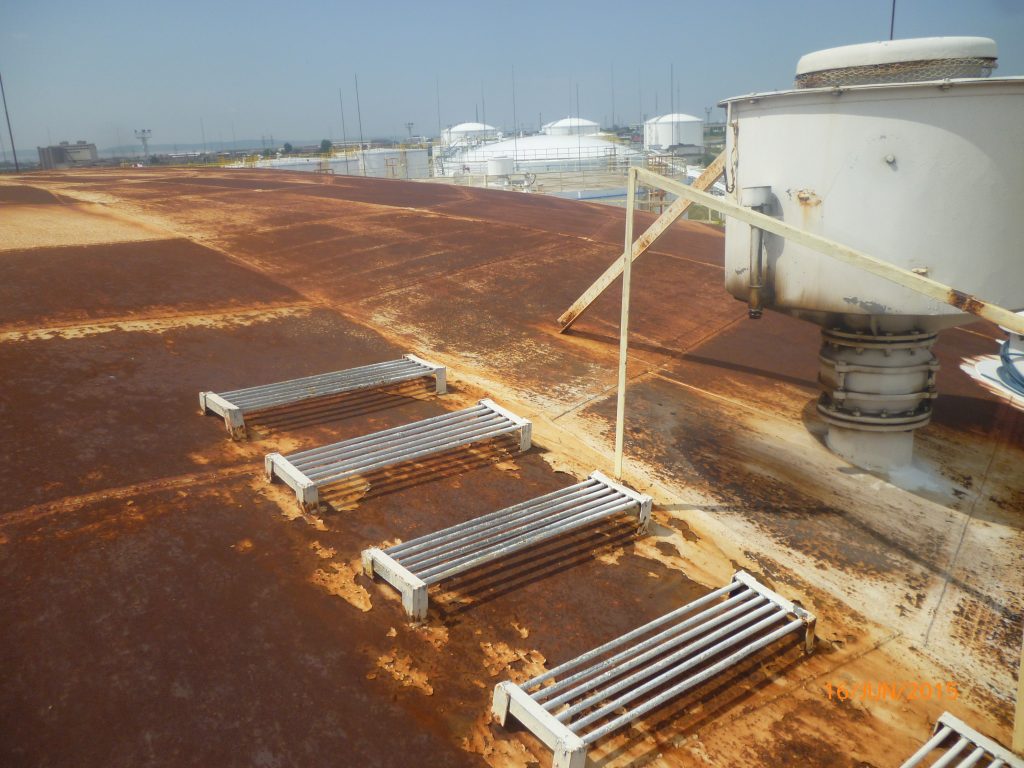
- Pressure Vessels: Tanks, boilers, and related pressurized equipment.
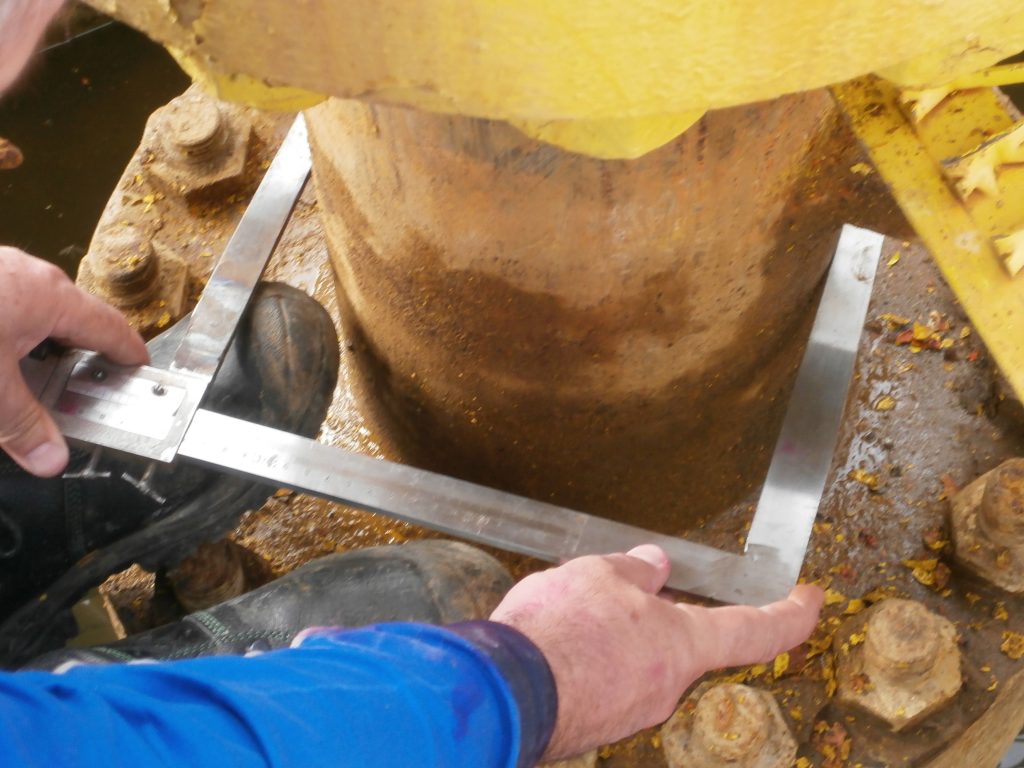
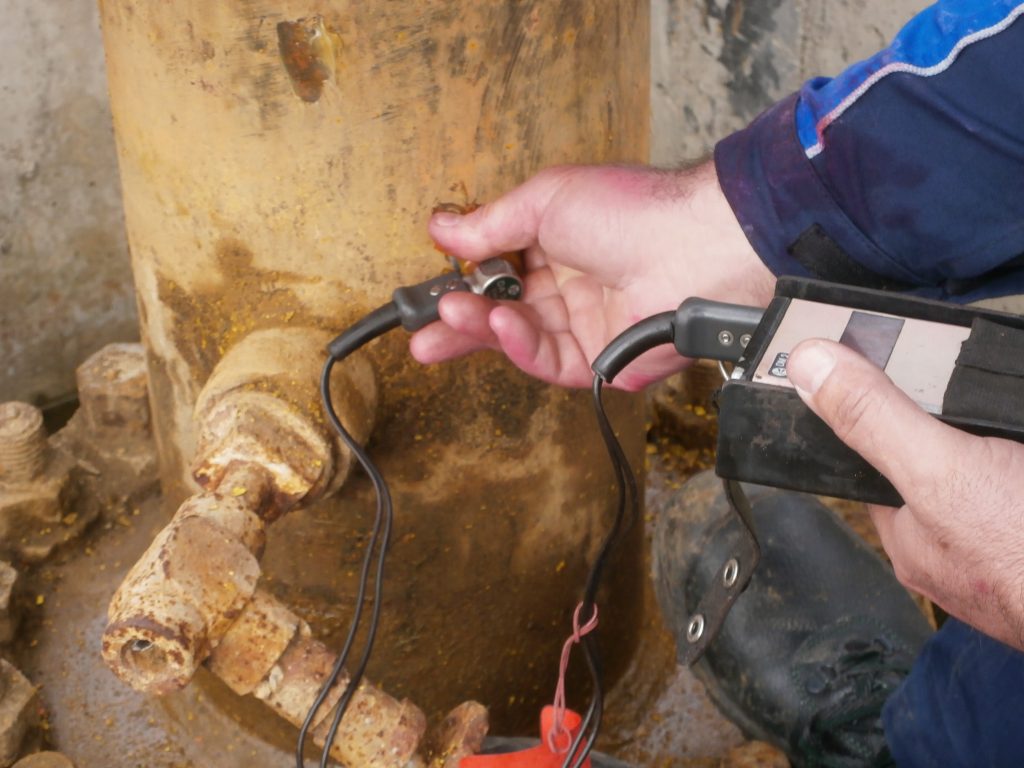
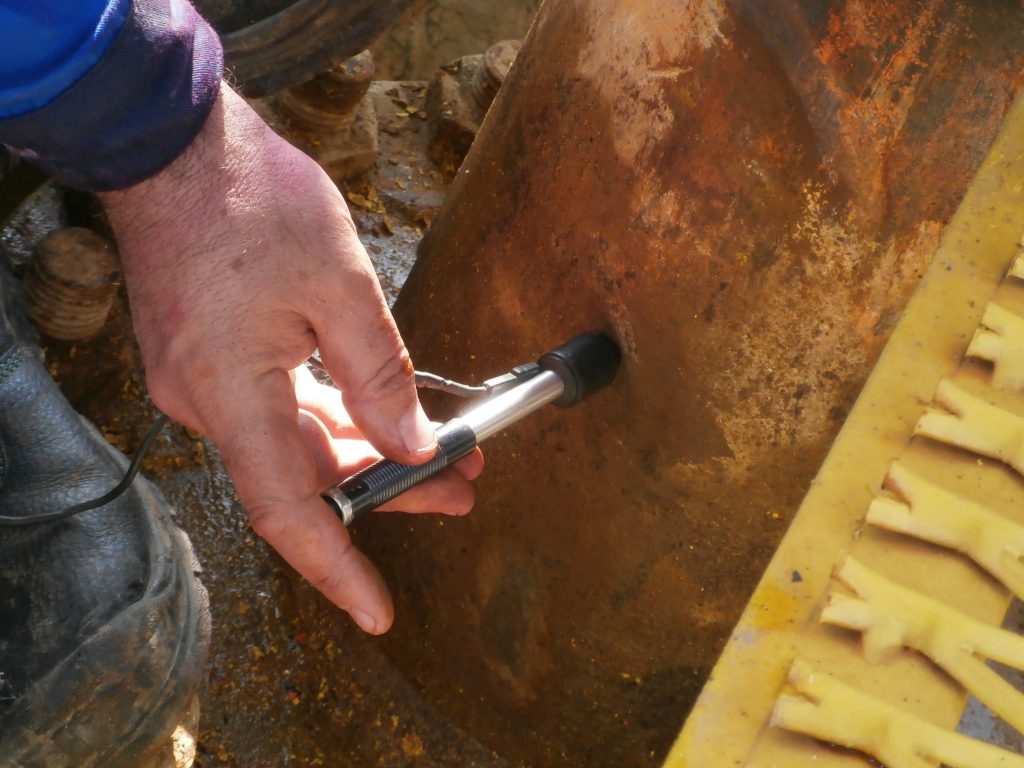
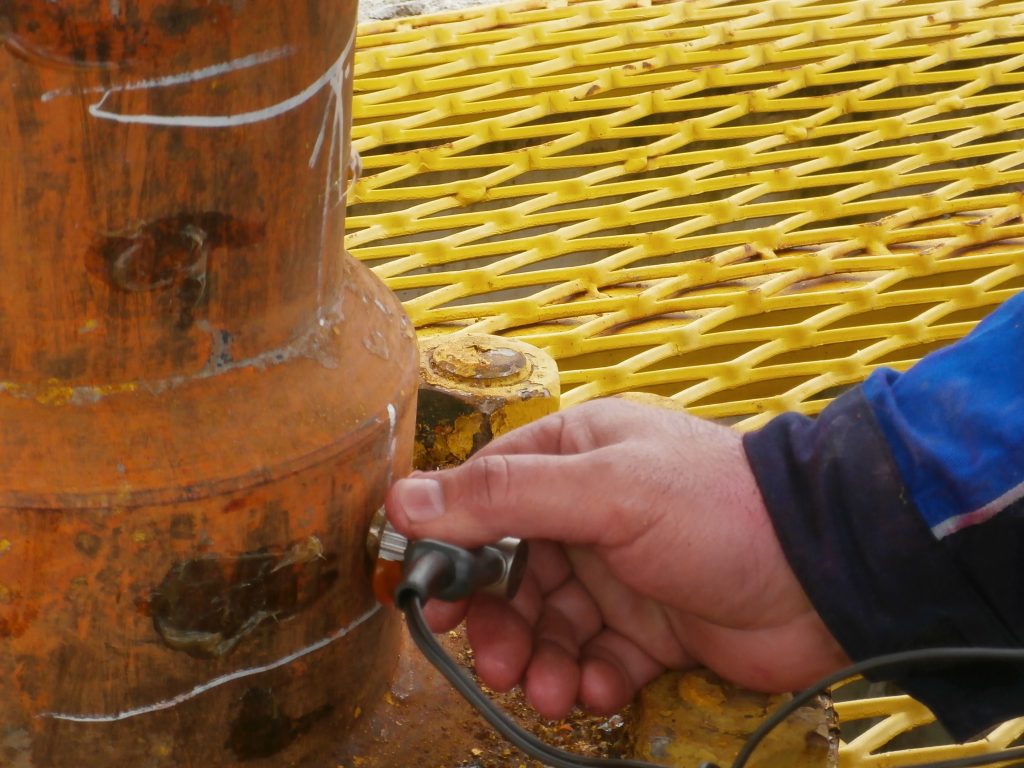
Testing Methods
Non-Destructive Testing (NDT)
- Radiographic Testing (RT): X-ray or gamma-ray inspection.
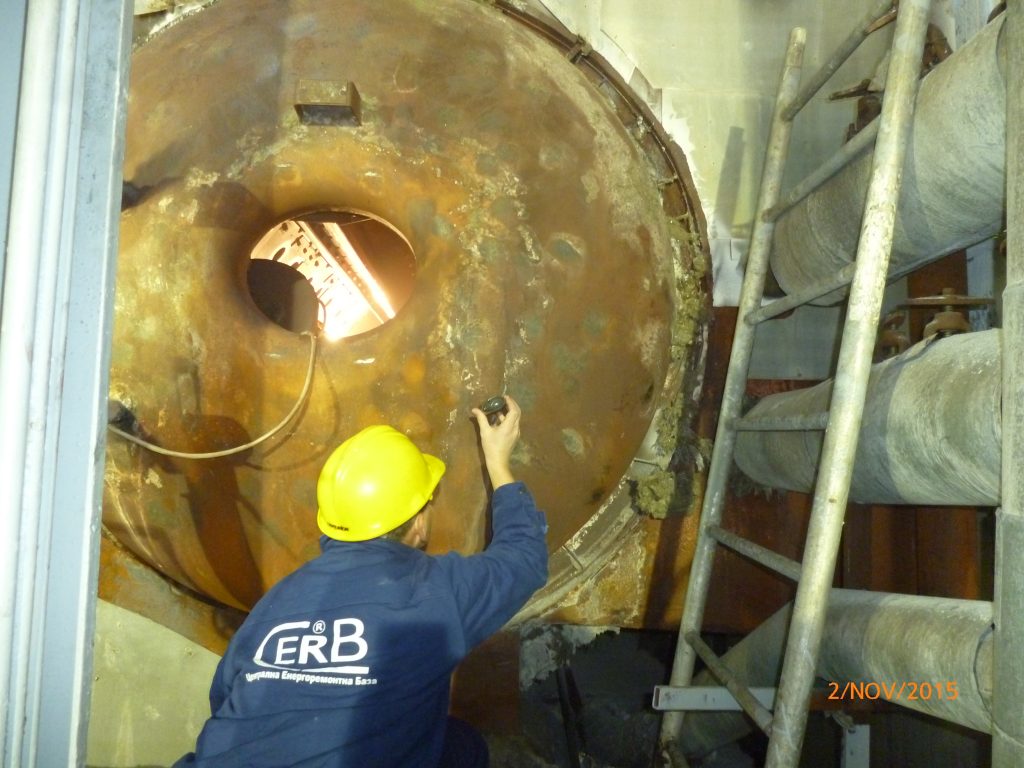
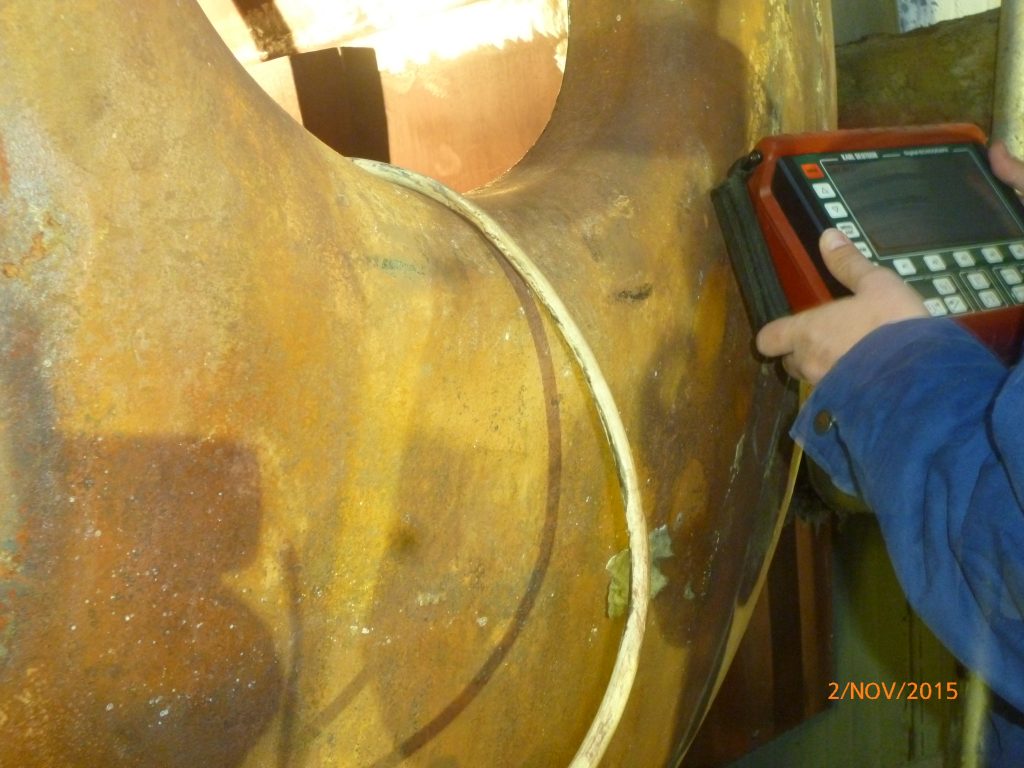
- Ultrasonic Testing (UT): Flaw detection and thickness gauging.
- Magnetic Particle Testing (MT): Surface and near-surface defect detection.
- Liquid Penetrant Testing (PT): Surface discontinuity detection.
- Visual Testing (VT): Remote visual inspection using endoscopes or boroscopes for hard-to-reach areas.
- Leak Testing: Ensuring hermetic sealing and integrity.
- Hardness Testing: Measurement of material hardness.
- Wall Thickness Measurement: Precision gauging of material wear or specs.
- Chemical Analysis: Material composition verification.
- Thermographic Inspection: Thermal imaging of metallic and non-metallic components.
Destructive Testing (DT)
- Microstructural Analysis: Metallographic examination at high magnification.
- Macrostructural Analysis: Visual examination of etched sections.
- Tensile Testing: Measurement of mechanical strength and elasticity.
- High-Temperature Testing: Evaluation of creep and stress-rupture strength.
- Residual Life Assessment: Calculation-based methods to determine the remaining service life of equipment.
Technical Supervision of High-Risk Equipment
Technical supervision of High-Risk Equipment (HRE) is a process of inspection, verification, and control aimed at ensuring safety, proper functionality, and compliance with current regulatory requirements.
Supervision is carried out by the accredited inspection body — CERB Metal Control Center, under License №824 issued by the Chairperson of the State Agency for Metrological and Technical Surveillance (SAMTS).