

Да “изгониш” китайския дракон от Европа
March 20, 2026Pushing the Chinese dragon out of Europe
March 25, 2026
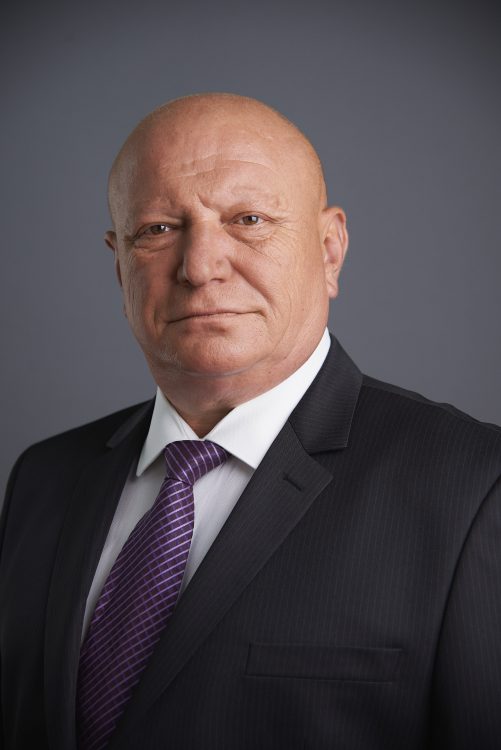
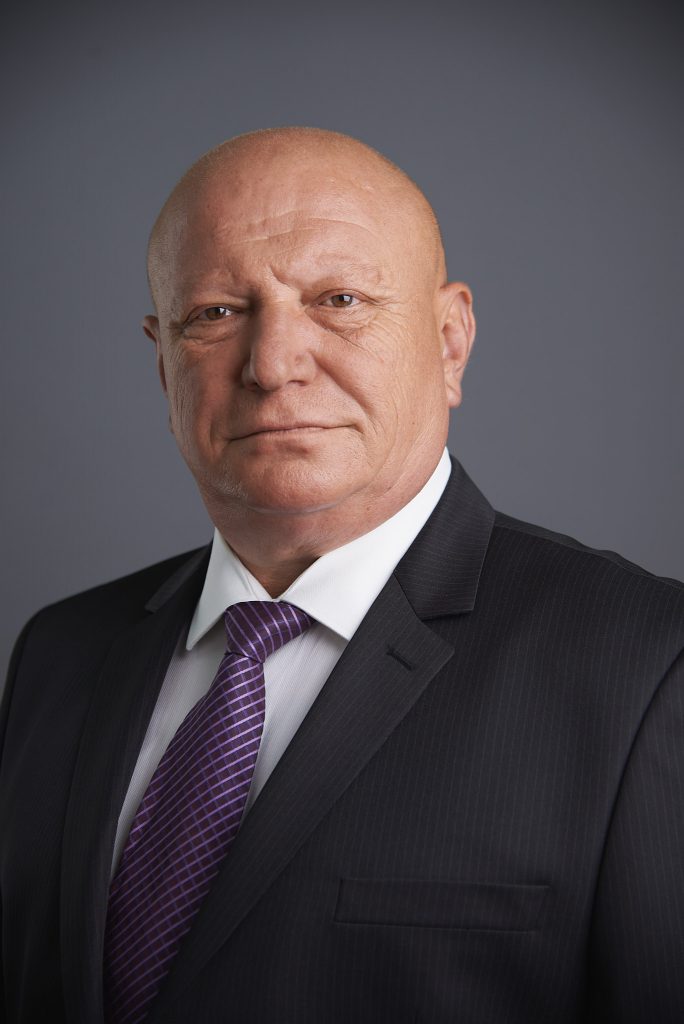
An Interview with Dimitar Beleliev, PhD – Chairman of the Board of Directors of Central Energy Repair Base (CERB) EAD and Chairman of BASEL
What was 2025 like for CERB?
2025 was an exceptionally successful year for us. Our turnover exceeded BGN 55 million, while investments in the modernization of our production facilities and equipment amounted to over BGN 5 million. We also signed new contracts for the current year, providing strong visibility and enabling better planning. In our business, long-term planning is crucial.
Which were the most notable projects you worked on during the past year?
In Greece, we delivered two large-scale hydrogenerator refurbishment projects. Currently, we are carrying out the overhaul of four hydrogenerators for the National Electric Company, as well as two projects involving cogeneration turbogenerators for private clients.
In 2025, for yet another consecutive year, we serviced the large turbogenerators at TPP Kosovo A in Pristina. The experience we have accumulated gives us confidence that we will remain competitive in this year’s tender as well.
In your opinion, what was the year like for the Bulgarian energy sector? Did planned maintenance activities increase?
The year was dynamic, yet somewhat contradictory. The expansion of renewable energy sources (RES), primarily photovoltaic plants, continues, while conventional generation remains in the background. This is understandable—with the increasing share of RES, revenues for traditional generation capacities are declining.
A positive sign is the growing interest in hydropower across the Balkans, including Bulgaria. This reflects an increasing awareness of the need for balancing capacities—rotating electrical machines that ensure system stability beyond daylight hours.
As for maintenance, the reactive approach still dominates. Preventive maintenance remains underutilized, although it is essential for long-term system reliability.
How are you coping with the rising prices of metals?
Price pressure is significant across the entire electrical engineering and electronics sector. Existing contracts are not subject to indexation, while new offers are being prepared under entirely different cost conditions.
Prices of copper and aluminum have effectively doubled, gold is at record highs, and silver has seen multiple increases. To give a concrete example—silver solder has risen from around USD 300 to USD 1,800 per kilogram. With approximately 20 kg required for the repair of a single generator, this translates into tens of thousands of euros in additional costs.
A similar trend is observed across other metals. In countries such as China and Turkey, mechanisms for state support or raw material hedging are in place, making their companies more competitive. For European manufacturers, the environment is becoming increasingly challenging.
Have you managed to enter new markets?
Rather than entering new markets, we are re-establishing our presence in traditional ones. In Kosovo, we have been actively involved in turbogenerator repairs in recent years, while in Albania we have completed several smaller projects.
For now, we are focusing on the Balkans, as human resources remain limited. The labor market continues to be one of the most serious challenges for the industry.
Is there any progress regarding the idea of bringing photovoltaic energy producers closer to consumers?
Unfortunately, progress remains limited. The construction of large-scale photovoltaic parks continues, but market signals are concerning. In February alone, there were nearly ten days with zero daytime exchange prices. If this trend continues into the summer, it will put significant pressure on producers’ revenues.
I strongly believe that the sustainable model lies in the development of small and medium-sized installations located close to consumption—the so-called prosumer approach. This is where a real balance between generation and consumption can be achieved.
How do you see the future of AmonRa Energy?
AmonRa Energy is developing very dynamically. Last year, we reached a turnover of BGN 100 million, representing a threefold increase over two years. This growth was achieved despite a nearly threefold decrease in equipment prices.
Our focus is on small and medium-sized photovoltaic power plants. Bulgaria already accounts for approximately 20% of our turnover, with the remainder coming from projects across Europe and beyond. In developed markets, smaller installations for households and businesses are leading—a segment where we see strong potential.
What will be the highlights of the “Electroindustry 2026” conference?
The conference, organized by BASEL, has already established itself as a leading forum for the electrical and electronics industry. Last year, it brought together over 350 participants, including ambassadors, Members of the European Parliament, and leading experts.
This year’s main focus will be on the opportunities and risks associated with artificial intelligence and its impact on the industry.
Is there a solution to the workforce problem?
A partial solution lies in employing workers from third countries, but the issue is systemic. Increasing wages without a corresponding rise in productivity leads to a loss of competitiveness. The mechanical linkage of the minimum wage to the national average creates additional distortions.
There is no shortage of people, but motivation for work is declining. Income growth must be sustainable—driven by higher efficiency, investment, and added value, rather than purely administrative measures.
What would you say in conclusion?
We continue to develop strategically. Elia AD, based in Dobrich, has joined our group—a company with strong capabilities in the design and manufacturing of low- and medium-voltage switchgear. This complements our portfolio and strengthens our integrated business model.
I am confident that with discipline, professionalism, and a clear vision, we will continue to move forward steadily and with confidence.